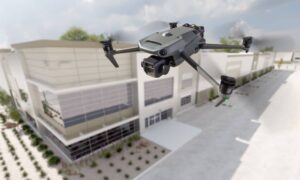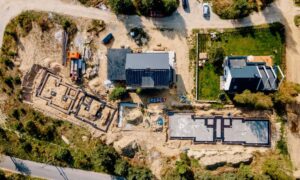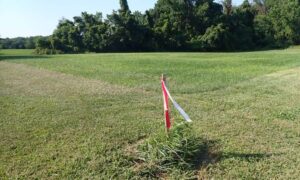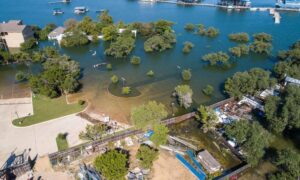
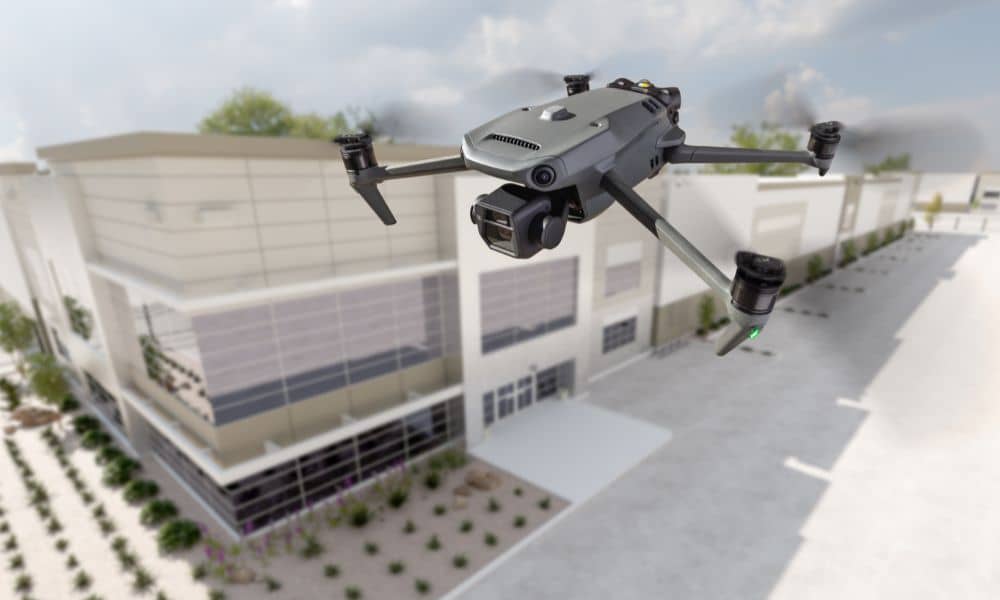
Drone surveying has become a popular tool for builders and developers. As commercial real estate (CRE) projects grow fast, more companies use drones to map land, check site conditions, and get work done faster.
A CRE Boom in Dallas — and Why It Matters
The Dallas–Fort Worth area is one of the top markets in the U.S. for commercial real estate. Developers are building offices, warehouses, retail centers, and mixed-use projects. This means more land must be surveyed, rezoned, and prepared quickly.
When many projects compete, time becomes very important. Traditional surveying — walking boundaries, measuring lines, marking corners — can take days or weeks. In a fast market, delays can stop a project.
Drone surveying helps solve this. Drones can map large areas quickly. They can make 2D maps or 3D models, record elevation, and spot problems early. Drone surveying is faster and more accurate than traditional methods.
What Drone Surveying Brings to Job Sites
Drone surveying gives many benefits for developers. It lets crews gather data fast, covering large land areas in minutes instead of days. Drones can record land slopes, elevation changes, drainage, and boundary lines accurately.
This helps developers find problems early, like steep slopes or flood areas, saving time and money. It also keeps survey crews safe because they don’t have to walk rough or dangerous land. Using drones causes less disturbance on the site, which is good near roads, neighborhoods, or sensitive areas.
With drone data, developers, engineers, planners, and surveyors work from the same maps or 3D models. This helps align site plans, utilities, drainage, and landscape design before heavy work starts. It also makes zoning, permitting, and environmental review easier because officials get clear, detailed maps.
Why Developers Shift Now — Market Forces at Work
Several reasons make drone surveying popular now. The demand for commercial real estate is high, so developers must finish more projects quickly. Every site needs accurate maps, and tight schedules make speed very important.
Drones now have reliable technology like GPS, LiDAR, and photogrammetry. They give precise results that engineers and regulators trust. This combination of high demand and modern tools makes drone surveying a smart choice. Developers using drones can check sites faster, plan costs better, and fix problems early.
What This Means for Site Planning, Permits, and Development
Drone surveying affects planning and development in many ways:
- Faster site checks. Developers can survey land in a day or two and move quickly on zoning, environmental reviews, or permit filings.
- Better cost planning. Accurate data on slopes, drainage, and elevation helps budget grading, foundations, and site prep.
- Fewer surprises. Early detection of land problems avoids costly fixes later.
- Smarter teamwork. All stakeholders work from the same maps to coordinate utilities, access, drainage, and building layout.
- Stronger compliance. Detailed drone maps help meet building codes, zoning rules, stormwater regulations, and flood-risk standards.
Challenges and What to Watch Out For
Drone surveying works well, but it is not a full replacement for all surveys. Drone maps often support, rather than replace, boundary or ALTA-type surveys. Legal boundary checks or mortgage surveys still need certified data.
Weather can limit drone performance. Rain, strong wind, or dense trees can reduce accuracy. Operators must be qualified and follow local rules.
Not all drone surveys give the same results. Some only provide aerial photos. Others give contour maps, 3D models, or LiDAR data. Developers should know what they need and hire surveyors who can deliver accurate results.
The Big Picture:
Dallas is growing fast. Office towers, warehouses, data centers, and retail hubs are being built quickly. Traditional surveying can slow projects. Drone surveying offers a smarter way.
Drone surveys give fast, accurate, and detailed information. Developers can make decisions sooner. Engineers can plan better. Planners can get approvals faster.
For landowners, investors, and builders, using drone surveying now gives an advantage. It helps projects move fast, avoids land problems, and keeps pace with a city that is growing quickly.
If you plan a project soon, schedule a drone survey early. Get your site mapped, check the land, and start work before construction delays appear.