
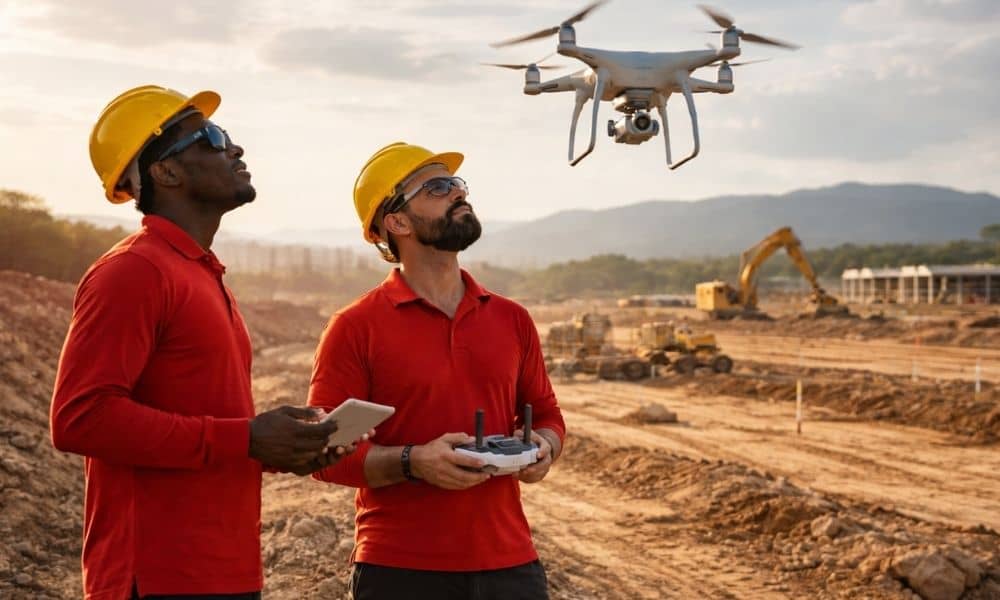
Texas is growing fast. New homes, businesses, and roads are being built every day. With this growth comes the need for accurate land surveys. In the past, land surveying was slow, and it took a lot of time and effort. But with drones, drone surveying has become a game-changer. Drones make surveying faster, safer, and more accurate, which is why many developers and property owners are beginning to learn more about drone surveying and how it can speed up planning and development projects. But, as drone use increases, new rules are being put in place to make sure drones are used safely and properly. These changes are not only making surveys better but also helping people who rely on them for building and land development in Texas.
What Is Drone Surveying?
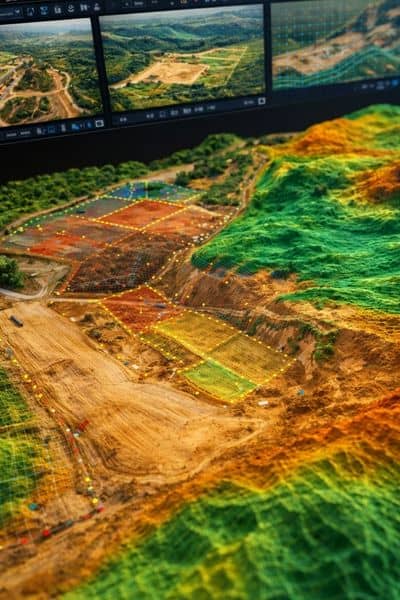
Before we talk about the new rules, let’s understand what drone surveying is. Drone surveying uses unmanned flying vehicles, called drones, to gather data about land. These drones fly over a piece of land, take high-quality pictures, and create 3D models of the area. The drone surveying technology behind this process allows surveyors to quickly capture detailed site information that can be used to create maps, verify boundaries, and plan building projects. Compared to traditional methods, drones can gather this data faster and more accurately while also helping surveyors avoid difficult or dangerous terrain. This is why drone surveying has become so useful for industries like real estate, construction, and land development.
New Drone Surveying Regulations in Texas
As drones have become more popular for land surveys, new rules have been introduced to make sure drones are used the right way. The Federal Aviation Administration (FAA) and local rules in Texas are changing how drones can be flown and who can operate them. These rules help make sure drone surveys are safe and reliable.
Airspace Restrictions
One of the biggest changes is about where drones can fly. In Texas, certain areas, like near airports or government buildings, are off-limits for drones. If a drone operator wants to fly in these areas, they need special permission. This keeps the airspace safe for planes and other flying vehicles.
Safety Protocols for Operators
Another change is that drone operators now need to be trained and certified. Since drones are becoming more powerful and can fly in busy areas, operators need to know how to control them safely. The new rules make sure drone operators follow safety guidelines to avoid accidents. For example, operators must know how to handle different weather conditions and fly around obstacles like trees and buildings. This makes sure the drone surveys are done safely and that no one is put at risk.
Insurance and Liability
Along with the new rules, drone operators are now required to have insurance. This is to protect both the operator and the client. If something goes wrong, like a crash or equipment failure, the insurance will cover the costs. This added protection gives clients peace of mind when hiring drone surveyors.
How Do These Regulations Affect Land Surveys in Texas?
These new regulations are changing the way land surveys are done in Texas. Let’s see how they are making a difference:
Faster and More Efficient Surveys
Before drones, land surveys could take a long time, especially for large properties. Surveyors had to walk the land, measure lines, and use heavy equipment. Now, drones can gather data much faster. They can fly over a large area in a short time and collect accurate information. This helps save time, which is especially important for construction and real estate projects that need to be finished quickly. With the new rules, you can trust that the drone operators are following safety guidelines while collecting this important data.
Improved Safety
One of the main reasons drones are so popular is that they make surveys safer. Surveyors used to have to walk through dangerous places, like steep hills or busy construction sites, but drones can do the work without anyone needing to go into these areas. The new regulations make sure the drones are operated safely and don’t cause accidents. This means fewer risks for the survey crew and safer surveys for clients.
More Reliable Data
The new rules also help make the data from drone surveys more reliable. For example, drones now have to follow specific rules when flying in busy areas like near airports. These rules make sure that the data collected by drones is accurate and follows the law. This is important for surveys like boundary surveys, elevation surveys, and flood elevation surveys, where the data has to be exact to avoid problems later on.
Drone Surveying and Texas Construction Projects
Texas is home to many large construction projects, including new homes, office buildings, and roads. Developers and builders need accurate land surveys to help with planning. Drone surveying has made this process faster and easier. The new regulations are helping make sure that the surveys are done safely and that the data is reliable.
With the new rules, builders can rely on drones to survey land quickly, check site conditions, and make sure there are no problems, like uneven ground or flood zones. This helps prevent delays and keeps construction projects moving forward. The new regulations are making drone surveying a trusted tool for builders and developers in Texas.
Real Estate and Land Development Benefits
For real estate developers, the new regulations ensure that drone surveys are done accurately and legally. Whether you’re surveying land for a new home, office building, or shopping center, drones can help get the job done faster and more reliably. With these new rules, you can be sure that the surveys meet all local laws and requirements.
If you are developing land or buying property, drones can help with property line surveys, due diligence surveys, and topographic surveys. These surveys give you important information about the land and help with things like zoning, building plans, and permits. The new regulations make sure the surveys are done properly, so you don’t have to worry about mistakes or delays.
Looking Ahead: The Future of Drone Surveying in Texas
As technology improves, drone surveying will only get better. The new regulations are helping to make drones an even more important tool for land surveys. In the future, drones may use new technology like LiDAR mapping to collect even more detailed data. This will help surveyors provide even more accurate maps for construction, real estate, and environmental planning.
The new regulations are also encouraging more people to use drones for land surveys. As more surveyors become certified and follow the rules, drone surveying will become even more common and reliable for clients in Texas.
Conclusion
Drone surveying is changing the way land surveys are done in Texas. With the new regulations in place, drones are safer, more accurate, and more reliable than ever before. Whether you’re a landowner, developer, or builder, these new rules help ensure your surveys are done quickly and correctly. As drone technology continues to improve, it will become an even more valuable tool for land surveys. If you’re planning a construction project or land purchase, consider scheduling a drone survey today. It’s the future of surveying, and these new regulations are making it better than ever.
