
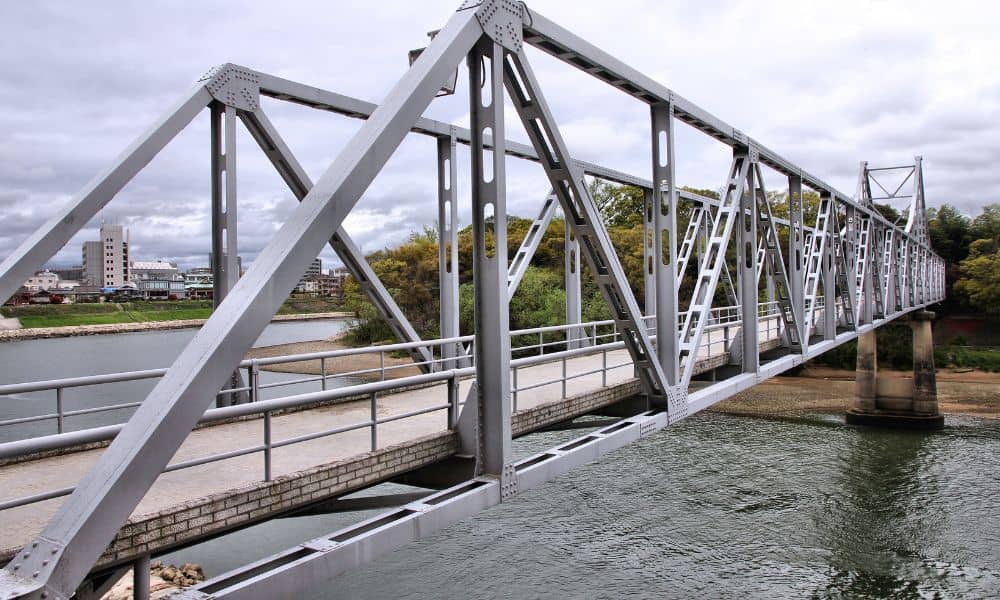
A few days ago, photos of a Texas flyover bridge started spreading online. Drivers noticed a visible gap in the road and quickly shared pictures on social media. Many people felt worried. Some drivers thought the bridge might be failing, while others wondered if it was still safe to drive across it. However, engineers soon explained what was really happening. The gap was not damaged. Instead, it came from structural engineering solutions that allow bridges to expand and contract safely as temperatures change. That answer surprised many people. Most people think bridges should stay solid and still. Yet bridges move a little every day. Good structural design plans for that movement long before construction starts.
Because the photos went viral, many people saw something that engineers deal with all the time. The story also showed how normal structural behavior can look scary if you do not know how structures work.
Why the Texas Flyover Gap Got So Much Attention
At first, the gap looked alarming. Drivers saw space between parts of the bridge deck, and the photos spread quickly online. As a result, many people thought the bridge had cracked or shifted in a dangerous way.
That reaction is easy to understand. Most people believe strong structures should never move. They imagine bridges as solid objects that stay still year after year.
However, bridges do not work that way.
Temperature changes cause bridges to expand and shrink every day. In Texas, hot weather can make steel and concrete expand more than people expect. Later, cooler temperatures make those materials shrink again.
Because of these changes, engineers design bridges so they can move safely. The gap drivers saw likely existed as part of that plan. In other words, the space helped the bridge work the way it should.
The Structural Design Idea Most People Never Notice
One of the most important ideas in structural design surprises many people: strong structures must allow movement. A structure that cannot move at all may actually break faster. When materials cannot move, pressure builds inside the structure. Over time, that pressure can cause cracks, bending, or other damage.
Engineers prevent this by allowing safe movement.
Bridges face many forces every day. Heat from the sun warms the materials. Cooler air later makes them shrink. Heavy trucks add weight and vibration. Wind pushes against the bridge, and the ground below can shift slowly over time. Engineers study these site conditions carefully, often starting with professional land surveying to understand the ground and elevation changes before finalizing the design.
Because these forces never stop, structural design focuses on balance. Engineers design systems that stay strong while still adjusting to these changes. The viral flyover gap showed how that balance works in real life.
How Expansion Joints Help Bridges Stay Safe
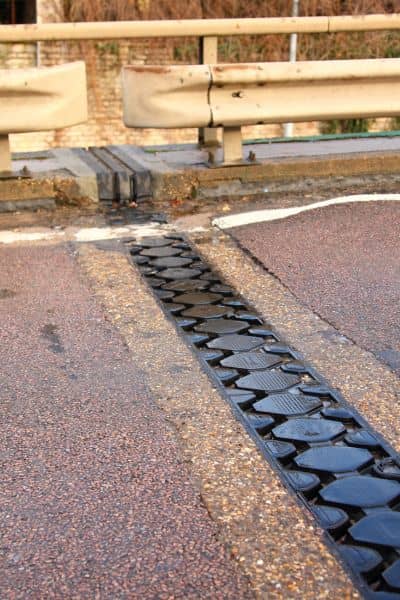
The gap drivers saw likely came from an expansion joint. Expansion joints appear in many bridges because they help control movement.
When the temperature rises, bridge materials expand a little. Expansion joints provide space for that change. Later, when temperatures drop, the materials shrink and the joint adjusts again.
Without these joints, bridge sections would push tightly against each other. Over time, that pressure could damage the concrete or steel.
Expansion joints solve this problem by giving the structure room to move.
Most drivers rarely notice them, yet these joints play an important role in structural design. Engineers place them carefully so bridges can expand and shrink without causing damage.
Because of this design, bridges last longer and work better over time.
Why Movement Does Not Always Mean Danger
When people see movement in a structure, they often think something is wrong. However, engineers know that movement can be normal.
In fact, controlled movement often protects the structure.
Still, engineers watch structures carefully. If joints open too wide or cracks grow quickly, engineers inspect the structure. They also check for settlement, corrosion, and drainage problems that may affect the bridge.
However, a simple gap does not always mean danger. In many cases, that gap helps the structure deal with heat and daily traffic.
Understanding the structural design behind these features helps explain why they exist.
What Property Owners and Developers Can Learn
The Texas flyover story also teaches a lesson that goes beyond bridges. Buildings, parking garages, and commercial projects also move over time.
Many property owners notice small cracks or slight movement and feel worried. While real problems can happen, normal structural behavior often explains these changes.
Temperature changes, soil movement, and heavy loads all affect how structures behave. Because of this, engineers plan for movement during the structural design stage.
They include expansion joints, flexible connections, and strong reinforcement so structures can adjust to real conditions.
Without these design details, even strong materials would develop damage much sooner.
Why Early Structural Design Matters
Many building problems begin long before construction starts. Poor planning can lead to foundation movement, cracked slabs, or stress in the structure years later.
Good structural design helps prevent many of these issues.
Engineers study soil conditions, weather patterns, and expected loads before creating final plans. They also think about how materials will behave over time. With this information, they design systems that handle movement safely.
Because of that planning, the finished structure lasts longer and needs fewer repairs.
Developers also benefit because strong structural design helps projects move more smoothly through approvals and construction.
Why the Viral Flyover Story Matters
The Texas flyover gap became a viral moment because it looked unusual. Yet for engineers, the situation showed something very normal: a structure working the way it should.
Instead of showing failure, the gap showed the careful planning behind structural design.
Engineers know that bridges and buildings face many forces every day. Heat, traffic, wind, and soil all affect how structures behave.
Rather than trying to stop movement completely, structural design allows safe movement.
That approach helps structures stay strong and last longer.
So while the viral photos caused concern, they also gave people a chance to learn something important. Small details like expansion joints help protect the structures we use every day.
And often, those details show that structural design is doing its job.
