
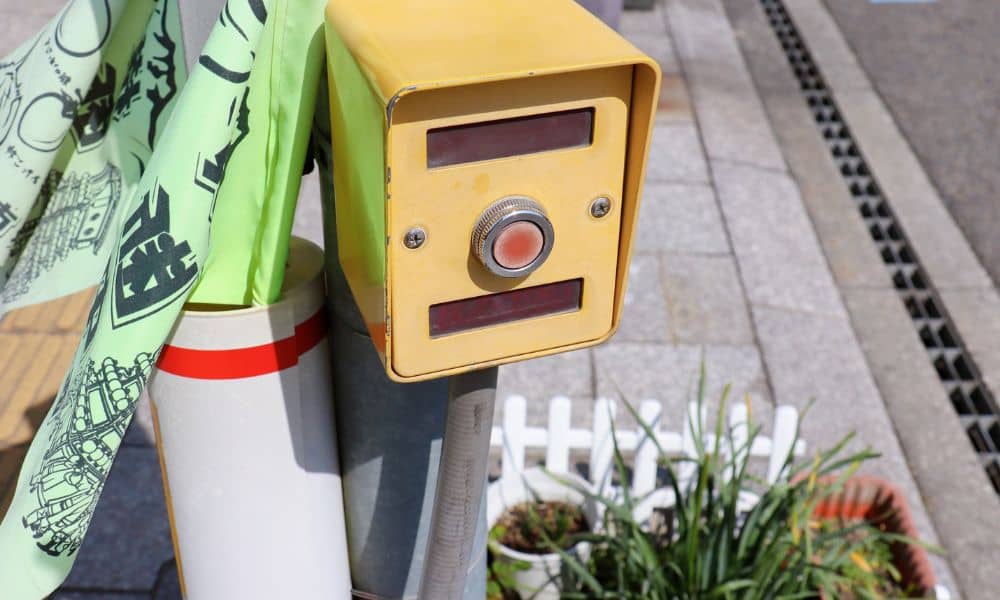
Have you ever stood at a crosswalk, pressed the button, and waited… and waited… and waited? Many people believe those buttons do nothing. In fact, a recent online debate made this idea spread even more. Some people even say crosswalk buttons are fake. However, the truth is much simpler. Crosswalk buttons are part of a system designed by a transportation engineer. These experts study traffic, safety, and road design. Their goal is clear: help cars, people walking, and cyclists move safely through busy intersections.
So if the button works, why does it sometimes feel like it doesn’t?
The Real Reason Crosswalk Buttons Exist
To understand the button, we first need to understand the problem engineers must solve.
Intersections carry many types of traffic at the same time. Cars want to move quickly through the light. At the same time, people walking need enough time to cross the street safely. Meanwhile, buses, bikes, and turning vehicles also share the road.
A transportation engineer studies these movements and designs a signal system that keeps everyone safe while traffic still moves.
Without crosswalk buttons, every signal would need to include a walk signal every time the light changes. That might sound helpful, but it actually creates problems.
For example, imagine a quiet intersection late at night. If no one needs to cross, the signal would still stop cars just in case someone might walk across. Over time, that causes delays and driver frustration.
Instead, crosswalk buttons allow the signal to respond only when someone actually needs to cross.
Because of that, traffic can move more smoothly while pedestrians still stay protected.
What Happens When You Press the Crosswalk Button
When you press the button, the system sends a request to the traffic signal controller. Engineers call this a pedestrian call.
Next, the controller adds the crossing signal into the next safe point in the traffic cycle.
However, the signal cannot always change right away.
Traffic lights follow timing plans that help manage traffic along entire streets. These plans allow vehicles to move through several green lights instead of stopping at every block.
Because of this coordination, the walk signal must wait for the right moment.
This delay often makes people think the button does nothing. In reality, the system simply waits for the safe time to allow the crossing.
A transportation engineer programs these timing plans using real traffic data collected from the road.
Why the Button Sometimes Feels Like It Doesn’t Work
Many people press the button and expect the signal to change right away. However, traffic systems do not work that way.
First, many city streets connect several signals together. Engineers time these lights so cars can move through multiple green lights in a row. This coordination helps reduce traffic jams.
Because of this system, signals cannot change instantly when someone presses the button.
Second, some intersections already include a walk signal in every cycle. In these locations, the button still works, but the timing may look the same whether someone presses it or not.
Third, large intersections often run longer signal cycles to handle heavy traffic. A full cycle might last up to two minutes. If someone presses the button just after the cycle begins, the walk signal will appear later in the sequence.
Finally, safety rules also affect timing. Engineers must give pedestrians enough time to cross safely. This timing depends on how fast people usually walk.
A transportation engineer must follow national safety standards when setting these signal times.
The Technology Hidden Inside Modern Intersections
Crosswalk buttons are only one part of a larger system.
Many intersections use sensors placed under the road to detect vehicles waiting at the light. These sensors help signals respond to real traffic instead of using a fixed schedule.
Some intersections also use cameras to study traffic movement and congestion. Engineers also rely on detailed site information, often gathered through a professional land survey, to understand the exact layout of the road, sidewalks, and nearby features.
In many cities, signals even communicate with nearby intersections. This coordination allows traffic to flow more smoothly along busy roads.
A transportation engineer studies all this information and adjusts signal timing when traffic patterns change.
As cities grow and traffic increases, this work becomes even more important.
Why Transportation Engineers Design Signals This Way

The job of a transportation engineer involves much more than installing traffic lights.
Engineers must think about many factors when designing intersections. They must protect people walking while also keeping traffic moving. At the same time, they must consider emergency vehicles, public transportation, bike lanes, and accessibility for people with disabilities.
Every intersection requires balance.
If signals stop traffic too often, congestion grows quickly. However, if signals favor cars too much, pedestrians face greater risks.
Because of this challenge, engineers rely on traffic studies, data, and computer models before making signal changes.
These studies help cities improve safety while keeping roads efficient.
Why Transportation Engineers Matter for Growing Cities
Crosswalk signals may seem like small details, but they connect to larger planning decisions.
When new homes, stores, or offices are built, traffic patterns change quickly. More vehicles appear on nearby roads, and more people begin walking across intersections.
Because of this growth, cities often require traffic studies before approving large developments. Projects like shopping centers, housing communities, and office parks often rely on an experienced transportation engineer for traffic studies to understand how the added traffic will affect nearby roads.
These studies look at traffic demand, intersection safety, signal timing, and pedestrian crossings. The results help guide decisions about roadway improvements and signal adjustments.
Without proper engineering analysis, traffic problems often appear soon after construction.
The Truth About Crosswalk Buttons
So are crosswalk buttons fake?
No. They play an important role in modern traffic systems.
When someone presses the button, the signal controller records the request and adds the walk signal into the traffic cycle. The delay simply happens because the system must keep traffic moving safely across the entire roadway network.
Behind every intersection sits a network of engineering decisions based on safety data and traffic patterns.
And at the center of those decisions stands a transportation engineer.
These experts study how people and vehicles move through cities. Their work helps create safer streets, smoother traffic flow, and better infrastructure for everyone.
So the next time you press that crosswalk button, remember this: the system is listening. It just needs the right moment to respond.
