
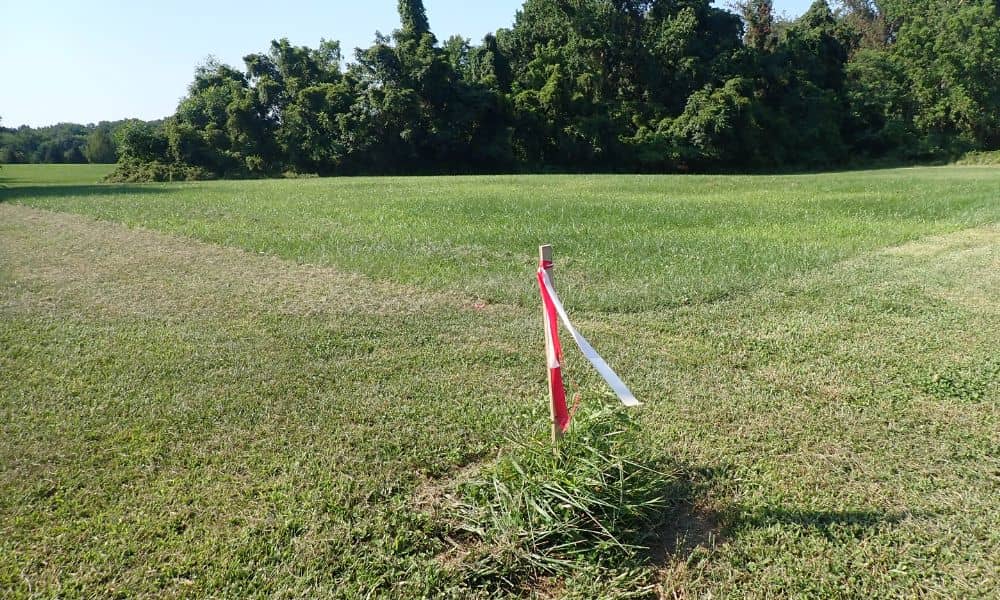
A fence looks simple until one morning you step outside, look at the new boards your neighbor installed, and think, “Wait… is that thing on my property?” This exact situation exploded online this week after a viral story showed how fast a small fence issue can turn into a full argument. And in Dallas, this happens more often than people expect. Before emotions take over, homeowners usually learn one big truth: the only way to settle the question is through a boundary survey.
Most people never plan for this. They assume property lines stay clear forever. Yet fences shift over time, old markers disappear, and new owners often trust what the last owner “thought” was correct. When a disagreement starts, the conversation feels harmless, but it quickly becomes a real problem that affects your time, money, and peace of mind.
The Fence Problem That Starts With a Simple Question
A fence dispute often begins with something small—maybe a corner post looks off, or the fence sits too close to your wall. You talk to your neighbor, hoping for an easy fix. They say, “It’s right where it should be.” You disagree. The neighbor shrugs and says, “Then prove it.”
Right there, the situation changes. The issue stops being about a few inches of wood. It becomes a matter of proof. And proof in Texas comes from one thing: a licensed surveyor.
People felt this exact stress when the viral story hit the internet this week. Homeowners everywhere commented things like, “This happened to me last year,” or “We almost went to court over our fence.” The comments all pointed to the same idea: no one expects the drama until they’re stuck in the middle of it.
Why These Disputes Happen More Often in Dallas
Dallas grows fast. New homes, old homes, and homes squeezed between new construction all share the same challenge—tight spaces. Lots in many neighborhoods sit close together, and fences often follow paths that made sense years ago but not today.
Older fences lean or sag. Previous owners sometimes built without checking the original plat. In older areas, missing corner pins create confusion. And in newer suburbs, homeowners rush to build tall privacy fences, especially after buying dogs, pools, or backyard additions. With so much activity, it’s no surprise lines get blurred.
Also, families move more often now. Someone who buys a house and trusts the fence is correct because “it’s always been there.” But that doesn’t guarantee accuracy. A single rebuild on the wrong line can cause a chain reaction of mistakes for years.
What a Boundary Survey Actually Costs
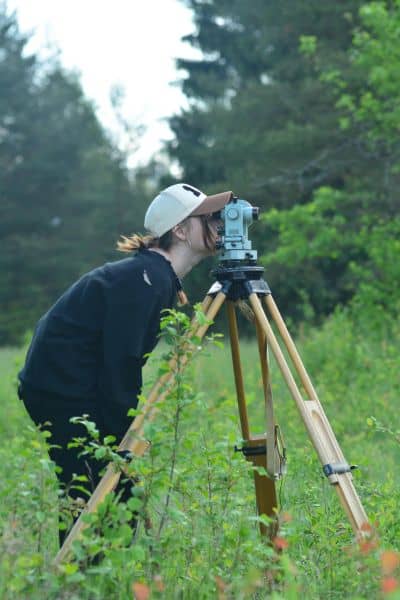
Money becomes the next shock for most people. You might think a boundary survey costs a few hundred dollars. Sometimes it does. Other times, it costs more, depending on the property’s complexity.
Here’s what homeowners usually face:
1. Newer Subdivisions (Clear Records). Homes in newer neighborhoods like Frisco, McKinney, or parts of North Dallas often have clean plats and clear corners. Surveyors find the markers fast, and the job stays simple. Average cost: $450–$750
2. Older Neighborhoods (Missing Corners or Confusing Lines). Places built in the 1950s–1970s may not have perfect corner monuments anymore. Trees grow, fences move, and old markers sink or disappear. Surveyors spend more time researching deeds and measuring from control points. Average cost: $800–$1,200
3. Large, Corner, or Irregular Lots. Corner lots and lots with unusual shapes require extra work. Surveyors must verify every angle and tie every side into a clear line. Average cost: $1,200–$1,500
Most homeowners don’t expect these prices, but they make sense when you remember a boundary survey determines legal ownership. It’s not guesswork. It’s not an app on your phone. It’s a measurement tied to recorded documents and certified by a licensed professional.
The Texas Rule That Surprises Everyone
Here’s something that shocked people in the viral fence story—and it surprises homeowners every year.
In Texas, your neighbor does not have to share the cost of a fence unless they agree to. That rule includes the survey too.
So if your neighbor built the fence and it ends up on your property, you may still pay for the boundary survey to prove it. Many homeowners think the one who built the fence should pay. The law doesn’t work that way.
This feels unfair to many people, but it’s the reality. Texas focuses on written agreements, not assumptions. If you didn’t agree to split costs before the fence went up, the responsibility often falls on the person raising the dispute.
The Real Price of Waiting Too Long
Let’s say you ignore your instincts and leave the fence alone. A few months pass. Then you decide to build a shed, extend your patio, or add a pool. Your contractor checks the measurements and pauses. “Are you sure this line is right?”
Now you face:
- A boundary survey
- Possible removal of your neighbor’s fence
- Rebuilding a new fence
- Contractor delays
- Maybe even legal help
This is where the numbers jump:
- Fence removal: $1,800–$4,000
- Fence rebuild: $3,000–$7,500
- Attorney consult: $300–$800 per hour
Suddenly the original $700–$1,100 survey looks cheap. And the emotional cost? Even higher. A friendly neighbor becomes distant. Holiday cookouts become awkward. Kids stop playing together. A small line on the ground can disrupt the entire block.
How Homeowners Can Handle Fence Issues Without a Fight
Most fence problems don’t need yelling or threats. They need calm thinking and the right steps at the right time. Start with your own documents. Look at the survey you received when you bought the home. Sometimes it gives a clear idea of the line. But if the fence looks off, don’t rely on an old map. Call a licensed surveyor and explain the situation. They deal with fence issues every week, so nothing you say will surprise them.
At this point, many homeowners hop online and look up land survey companies near me because they want someone close by who can take a quick look and confirm what’s going on. It’s easier to work with a local team that knows Dallas lots and the way older fences shift over time.
Next, talk to your neighbor with care. Avoid phrases like “you put your fence on my land.” Try something calmer, such as: “I’m planning to get a boundary survey just to check the line so we both feel confident.” This keeps the conversation neutral.
If the survey shows the fence is on your side, decide how you want to approach it. Some neighbors fix it right away. Others take time. Some refuse. When someone refuses, you may need legal advice, but most disputes never reach that point.
Final Thoughts:
A fence may look harmless, but property lines carry real weight. A boundary survey gives you clarity, control, and confidence. And while the recent viral story made people laugh, it also reminded thousands of homeowners that fence mistakes happen every day—even to careful people.
If something looks off, trust your instincts. Get the line checked early. It costs far less to confirm the truth today than to fix a massive problem tomorrow. In a fast-growing place like Dallas, clarity isn’t just helpful. It protects your home, your money, and your peace of mind.
