
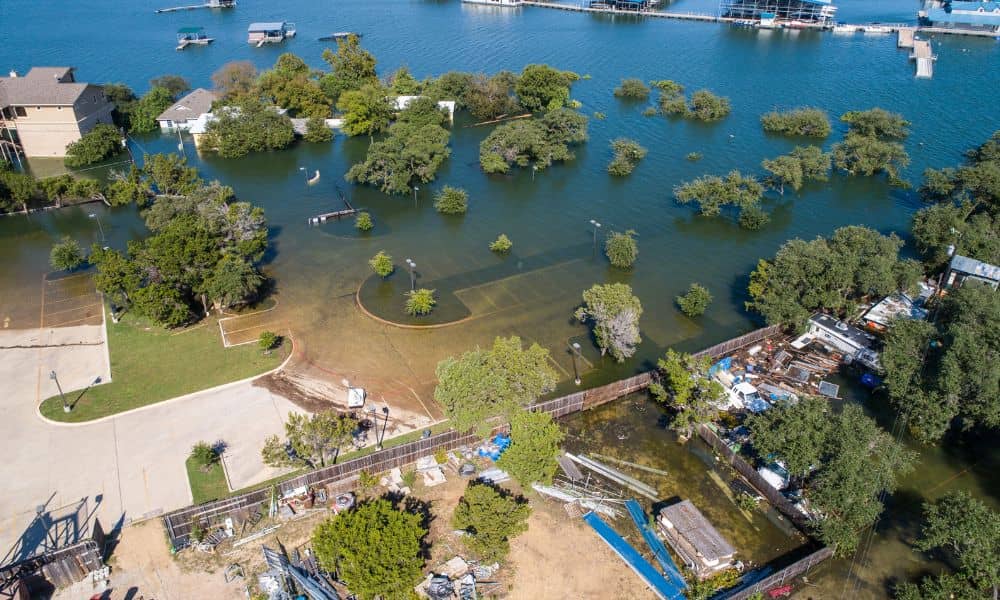
When news broke about the deadly flooding at Camp Mystic, many Texans felt shocked and heartbroken. Families now say the camp removed several cabins from FEMA flood maps, even though those buildings sat close to the river. That allegation raised a bigger question across the state: How safe are our flood maps? And for anyone buying or building especially near a creek or low-lying lot—this story explains why a flood elevation certificate matters more than ever. Maps may miss things. Water does not.
A tragedy that revealed a deeper problem
Camp Mystic sits in the Hill Country, a scenic area where storms sometimes hit fast. On July 4, rising water swept through the camp. Families later accused the camp of keeping kids in flood-prone cabins and pushing FEMA to redraw maps to avoid stricter rules. That claim shocked people because most of us trust FEMA maps without question.
However, reporters found that several Texas flood maps are old or incomplete. Some haven’t been updated for years. Others lack current rainfall data. When a map doesn’t match real conditions, people assume they’re safe when they’re not. That’s the risk Dallas faces too.
Dallas has dozens of creeks and drainage channels: White Rock Creek, Five Mile Creek, Bachman Branch, the Elm Fork, the West Fork, and more. Water moves differently today than it did 10 or 20 years ago because the city keeps growing. New pavement, new homes, and new shopping centers all change how water flows. Older maps don’t reflect that.
This is where the Camp Mystic story connects directly to you.
Homeowners face similar blind spots
If map errors caused problems at a riverfront camp, imagine the challenges inside a huge city like Dallas. Many people check FEMA’s online map, see no blue flood zone, and feel safe to buy. But that simple look can create a false sense of security.
Here’s why:
- FEMA doesn’t check every property in detail.
- Some areas haven’t received updated flood data.
- Heavy storms now drop more rain in less time.
- Development changes drainage patterns every year.
Because of this, the City of Dallas urges homeowners and builders to confirm flood risk through site-specific elevation data, not just a map.
This is where a flood elevation certificate becomes your strongest tool.
What a flood elevation certificate actually tells you
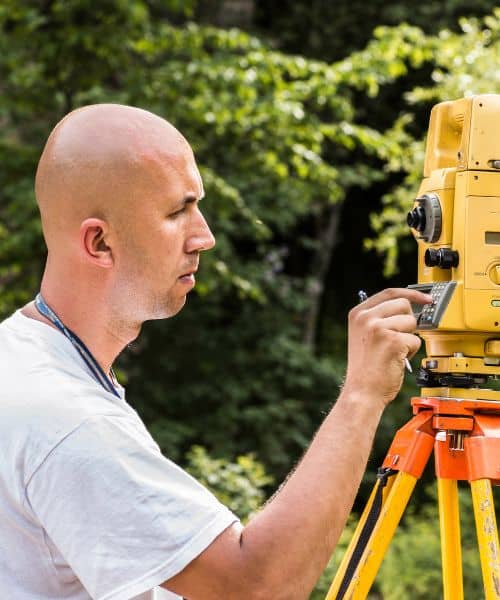
A flood elevation certificate gives you something FEMA’s big map does not: your structure’s exact elevation compared to the expected height of floodwater.
A licensed land surveyor measures:
- Your home’s lowest floor
- The grade around your home
- Your foundation height
- The Base Flood Elevation (BFE) for your area
With that, you learn something simple but powerful: Does my home sit above or below the flood line?
This matters because being outside the FEMA flood zone does not guarantee safety. I’ve seen homes outside the blue zone that flood every year because the ground slopes the wrong way or the nearest creek jumps its banks during strong storms.
When people rely only on FEMA’s colored zones, they miss the small details that cause big problems.
Why lenders and insurers push for elevation certificates
Banks and insurance companies trust numbers, not assumptions. If your home sits lower than the Base Flood Elevation, your lender may require flood insurance. If it sits higher, your premium may drop.
With a flood elevation certificate, you avoid surprises like:
- A sudden insurance hike
- A last-minute loan delay
- A denied permit
- A costly redesign of your construction plans
And if you’re building, elevation data becomes even more important. The City reviews every project inside or near a floodplain and often asks for a certified elevation. Without it, your approval may stall.
So while some people see the certificate as “extra paperwork,” it actually protects your money and your property.
The danger of trusting outdated maps
Flood patterns change faster than FEMA updates its maps. That’s part of what happened at Camp Mystic. When people push for map changes, or when maps fail to reflect real conditions, the public pays the price.
In Dallas, we face similar risks because:
- Creeks overflow more often after heavy storms.
- Older neighborhoods lack modern drainage systems.
- Some floodplains shift as soil erodes.
- New construction sends runoff downhill to older homes.
Your house may sit outside the mapped flood zone, but one strong storm could still cause water to rise against your foundation. Floodwater doesn’t follow lines on a map.
This is why local engineers, surveyors, and even city officials recommend elevation certificates for homebuyers near any creek, slope, or low area—even if FEMA shows no flood risk.
Real Dallas situations where you’ll thank yourself later
Over the years, I’ve seen many owners wish they had ordered a flood elevation certificate early. Here are common situations:
1. Homes near White Rock Creek
Several homes sit just a little lower than people assume. During long rainstorms, water pools in their yards and reaches the foundation. Their FEMA map says “low risk,” but their elevation data tells a different story.
2. Townhomes near drainage channels
New developments sometimes raise the ground for new buildings, which shifts water toward older homes. Buyers who skip elevation checks feel the impact later.
3. Houses with sloping backyards
When the land slopes toward the home, even a small change in grading can push water against the walls. FEMA maps simply cannot show those micro-details.
4. Homes near the Trinity River floodplain
This area has wide variations in elevation. A few feet can mean the difference between staying dry and taking on water. In every case, the flood elevation certificate gave people facts they could trust.
How buyers can protect themselves today
You don’t need advanced engineering knowledge to check your risk. Just follow simple steps:
- Look up your property on DCAD and review the FEMA layer.
- Check the City of Dallas floodplain GIS to see if you’re near a regulated zone.
- Order a flood elevation certificate from a licensed surveyor if the property sits near a creek, drainage path, or low area.
- Talk to your insurer. They often adjust premiums based on elevation data.
A little information can save thousands of dollars.
The bottom line
The Camp Mystic controversy shows what happens when people trust old or incomplete flood maps. Lives changed forever because the data didn’t match the danger. Dallas may not sit in the Hill Country, but we face our own risks.
As the city keeps growing and storms get stronger, a flood elevation certificate gives homeowners the clearest picture of their true flood risk. It replaces guesswork with real numbers. It helps you make smarter decisions, protect your investment, and sleep better during storm season.
In a world where flood patterns change faster than maps do, good elevation data becomes your best protection.
