

Dallas has faced another round of heavy rains, and many homeowners are still dealing with the aftermath. Streets flooded, backyards pooled with water, and fences shifted under the pressure of standing water. In times like this, one term suddenly becomes very important: flood elevation survey. If you’ve never heard of it, this simple but powerful survey could be the difference between a smooth insurance claim and a frustrating denial.
Storms Are More Than Just Messy
When the rain stops and the skies clear, the real problems often begin. Water doesn’t just disappear; it leaves behind damage you may not notice right away. Retaining walls may lean, property lines can get blurred, and drainage paths may change. For a homeowner, this creates two big risks. First, your insurance company may ask for proof that the damage came from flooding. Second, if you need to rebuild or repair, the City of Dallas could require updated documents before issuing permits.
This is where surveying steps in. A professional land surveyor provides the measurements that show exactly how high water rose, how your property sits in relation to flood levels, and what that means for your home.
What Is a Flood Elevation Survey?
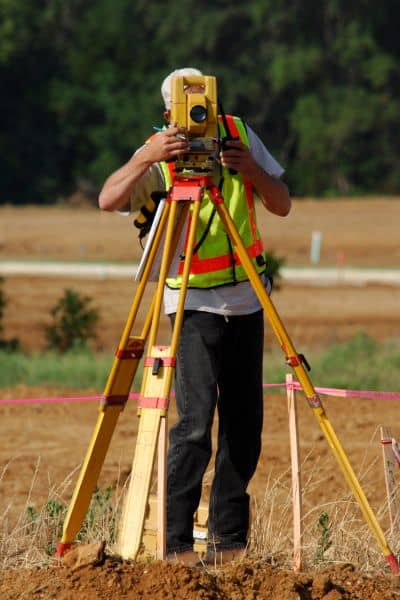
At its core, a flood elevation survey is a detailed measurement of your property’s elevation compared to local floodplain levels. Surveyors use precise instruments to establish how high your home sits above (or below) the base flood elevation defined by FEMA and the City of Dallas.
From this data, they can prepare an Elevation Certificate—a formal document recognized by insurance companies, lenders, and city officials. The certificate proves whether your property is in a high-risk zone and how floodwaters may affect it in the future.
For insurance claims, this document is often a lifesaver. If your adjuster questions whether storm damage was truly flood-related, a flood elevation survey provides scientific, unbiased evidence.
Why Homeowners Need It Now
Dallas is no stranger to flash floods. Low-lying areas, aging drainage systems, and rapid growth all contribute to water piling up fast. The September storms brought not only traffic headaches but also soaked yards, flooded garages, and soggy foundations across the metroplex.
If you live in or near a FEMA-designated floodplain—or even if you’re close to one—you may already be required to carry flood insurance. After a major storm, insurance companies expect clear documentation. Without proof of your property’s elevation and risk level, your claim could be delayed or denied.
Think about the cost. Repairing a water-damaged foundation, replacing flooring, or rebuilding a fence can run tens of thousands of dollars. For most families, that’s money they can’t afford to lose.
Insurance Claims and the Role of Elevation
Here’s where many homeowners get caught off guard. Insurance adjusters look for clear data, not just photos of standing water. A flood elevation survey adds credibility to your claim because it ties damage to your property’s elevation in relation to official flood zones.
For example, if your house sits at 505 feet and the base flood elevation in your area is 507 feet, the survey shows you were under threat. That makes your case stronger when asking for coverage. On the other hand, if your home is well above the flood line, insurers may deny a flood-related claim. Either way, the survey removes guesswork.
Because of this, some families request a land survey for flood insurance before they even need to file a claim. Having it in hand gives insurers less room to question the source of the damage and often speeds up the approval process.
Mortgage companies also lean on this data. If you refinance or take out a new loan after flooding, the lender may request an updated certificate before approving financing.
Local Tools Every Dallas Resident Should Know
You don’t need to be a surveyor to start checking your property’s risk. Dallas County Appraisal District (DCAD) offers parcel maps online where you can see your lot boundaries. FEMA provides the National Flood Hazard Layer, which shows whether your home falls in the 1% annual chance flood zone (also known as the 100-year floodplain). The City of Dallas also publishes GIS flood maps that let you zoom into your neighborhood.
Still, these maps are only a starting point. They don’t reflect small changes in grade or site conditions that a professional survey captures. That’s why relying on an official flood elevation survey is the smarter move after major storms.
How to Know If You Need One
Not every property owner will need a flood elevation survey after every storm. However, you should consider it if:
- You saw standing water near your foundation, fence lines, or driveway.
- Your neighborhood drains slowly, leaving puddles for more than 24 hours.
- You plan to file an insurance claim and expect questions about flood damage.
- You want to sell or refinance, and buyers or lenders may ask about flood risk.
In these cases, having certified documentation is better than relying on your word alone.
The Bigger Picture: Protecting Your Home
A flood elevation survey isn’t just about paperwork. It gives you peace of mind and a roadmap for the future. If your survey shows you’re at risk, you can take steps like installing better drainage, raising utilities, or reinforcing retaining walls. If it shows you’re safe, you’ll have proof to lower your insurance premiums.
In either case, you’re better prepared than the homeowner down the street who shrugs off the storm and hopes for the best.
Moving Forward After the Storm
Dallas will continue to face severe weather. As the city grows, hard surfaces like roads and parking lots create more runoff, which only makes flooding worse. Waiting until the next big rain isn’t a strategy.
Taking action now—by hiring a licensed land surveyor to perform a flood elevation survey—means you’ll have evidence ready when your insurance company asks for it. It also means smoother permit approvals if you need to rebuild, and better protection for your biggest investment: your home.
Final Thoughts
Storms remind us how quickly life can change. One night of rain can leave behind weeks of stress. But with the right tools, you can protect your property and your finances.
A flood elevation survey is more than just a technical document. It gives you clarity, helps you avoid unexpected costs, and provides confidence when dealing with insurance or repairs. If the last storm left water standing on your property, consider talking with a licensed surveyor. Taking this step now can give you peace of mind before the next round of rain arrives.
