
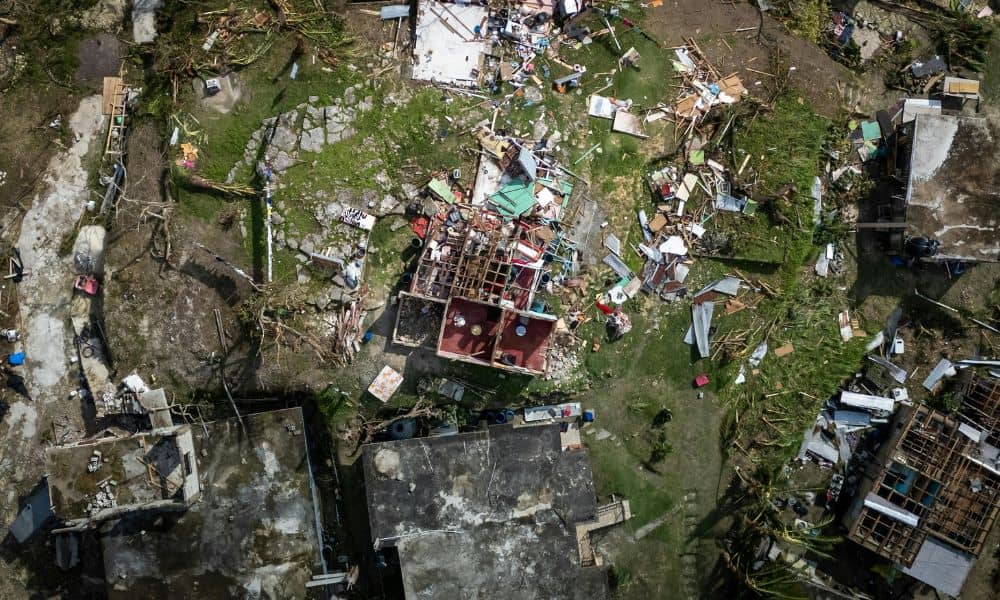
Texas has faced several strong storms this year, and many cities are now checking roads, bridges, and drainage systems for safety. Crews want to know what changed, and they need the answers fast. Because of this, agencies started using lidar mapping more than ever. It gives clear and accurate land data in a short time. It also fits the new rules set by Texas regulators, who now require better elevation details for many projects.
Storms change the land in many ways. Soil moves, slopes shift, and water flows toward new places. When this happens, cities must act quickly. Traditional surveys still help, but they take longer. Survey teams need time to walk the land and collect points. Lidar mapping solves this because it scans whole areas in minutes. That speed helps cities respond right after a storm and plan repairs before problems grow.
How Recent Storms Pushed Texas to Use Better Mapping Tools
Texas storms often bring heavy rain, flash floods, and strong winds. These storms can damage roads, block drainage paths, and weaken slopes. After each storm, agencies want to know where the land changed. Lidar makes this work easier.
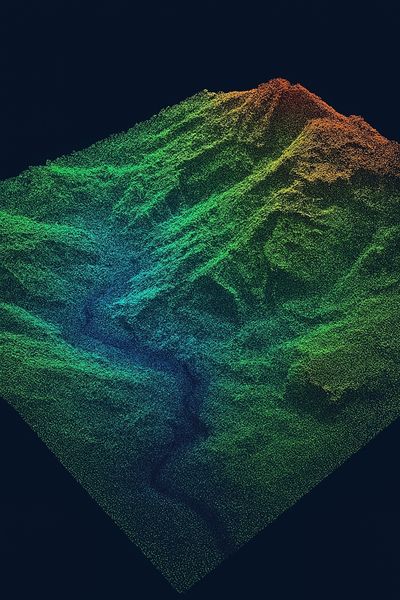
With lidar mapping, crews use drones or aircraft to scan the land. The scans collect millions of elevation points. This gives cities a clear picture of the ground. Leaders in Dallas, Fort Worth, and nearby towns can see where the soil washed away and where the water now flows. They can compare old lidar scans to new ones and spot changes fast.
Quick information helps cities make smart choices. They can repair roads, clean creek beds, and protect weak areas. Homeowners also benefit because lidar shows hidden risks like new low spots, sink areas, or shifting soil.
Why New Texas Surveying Rules Increased the Need for LiDAR Mapping
Texas recently updated its surveying standards. The Texas Board of Professional Engineers and Land Surveyors (TBPELS) wants better accuracy and clearer elevation data. These changes protect the public, but they also raise the bar for builders and surveyors.
Many older surveys no longer meet the new standards. Because of this, cities now want updated elevation data for many projects, such as new homes, large remodels, commercial sites, new roads, and subdivisions.
Lidar mapping helps meet these rules because it gives sharp and dependable elevation details. Builders now use lidar to plan grading, check slopes, and avoid mistakes. Many surveying companies use it for the same reason, since they also need clean and reliable data to match the updated requirements. With stronger information, cities can approve plans faster, and property owners can move forward with more confidence.
What Makes LiDAR Mapping So Useful After Storms
What Makes LiDAR Mapping So Useful After Storms
Lidar mapping is useful because it gives both speed and detail. Traditional surveys still matter for legal boundaries and exact points, but lidar supports the bigger picture.
Cities use lidar when storms affect large neighborhoods. It covers long distances in a short time. Lidar also shows small changes in elevation, which helps engineers understand how water will move during the next storm.
Construction crews use lidar to plan safe building sites. They check slopes, look for low spots, and study how stormwater will drain. Engineers compare old and new scans to see how storms changed the land. Because many cities now accept digital terrain files, lidar fits their systems well.
All of this helps agencies respond faster and avoid bigger problems later.
How LiDAR Mapping Helps Property Owners and Developers
Dallas has many slopes, creek areas, and clay soil. These places change fast after storms, and lidar helps show those changes. This helps property owners understand the condition of their land.
Lidar reveals drainage issues by showing where water now flows or collects. Homeowners can use this information to fix flooding problems. Builders can use lidar data to plan safe grades, place structures in better areas, and avoid future damage. When cities update flood maps, lidar helps make these maps more accurate.
Developers also benefit. Lidar supports elevation rules, so projects move through the review process faster. It reduces delays and helps teams find issues early.
With Dallas growing every year, knowing how the land reacts to storms helps everyone make better choices.
Why LiDAR Mapping Works Best Alongside Traditional Surveys
Some people think lidar replaces surveyors, but that is not true. Lidar and traditional surveys work best together.
Surveyors confirm boundaries, set property corners, and provide legal descriptions. These tasks require field checks. Lidar adds terrain data that supports design, planning, and stormwater control.
Together, both methods give a full view of the land. This helps prevent mistakes and keeps projects on schedule, especially when storms change the land quickly.
How Texas Plans to Use LiDAR Mapping in the Future
Texas will continue to face strong storms. Because of this, cities plan to use lidar mapping more in the future. They will use lidar to design new drainage systems, update flood maps, plan roads, and shape new neighborhoods.
As Dallas and nearby cities grow, leaders want land data they can trust. Lidar gives them a clear and accurate view of the ground. This helps guide safe growth and protects communities from future storms.
Why Now Is a Good Time to Check Your Land Data
If your area was hit by a storm or if you plan to build soon, now is the right time to check your land data. Older surveys might not show current conditions. Updated elevation data helps avoid delays and prevents drainage mistakes.
Texas storms will always come, but lidar mapping helps everyone stay ahead. Cities, surveyors, builders, and property owners all use lidar to make better decisions. When agencies use lidar after storms, they protect communities and support safe growth across Texas.
