

You plan a small retaining wall. It seems simple. Maybe it’s for a slope in your yard or part of a new build. You expect a quick approval and a fast build. However, that is not what happens. Instead, the city sends comments. Plans go back for changes. Days turn into weeks. The project slows down before construction even begins. This situation is common in Dallas. The reason is simple. A retaining wall is not just a small structure. It is part of land development. And because of that, even a small mistake can delay the whole project especially when the land development planning behind it is not fully thought through from the start.
Why Retaining Walls Fall Under Land Development
At first, a retaining wall looks like a basic feature. It holds soil and keeps the ground level. That sounds easy.
However, the moment you start moving the soil, you quickly see how much the site can change. A wall can shift elevations, affect nearby areas, and even change how the land functions overall. Because of this, the city doesn’t treat it as a simple add-on. It becomes part of the full land development plan.
That’s why taking the time for pre-construction surveys early can make a big difference. By checking slopes, soil, and property boundaries ahead of time, you get a clear picture of the site and avoid surprises that could slow down approvals.
Even a short wall can trigger a deeper review if these factors aren’t understood from the start.
Why “Small Project” Thinking Causes Delays
Many property owners believe a small wall should move fast. That idea leads to trouble.
Size is not the main factor. What matters more is how the wall interacts with the land.
For example, a short wall near a property edge can create more concern than a taller wall in an open space. The location, the slope, and the layout all play a role.
Because of that, projects slow down when people treat them as simple. The city looks deeper, and missing details begin to show.
What Reviewers Look For
When plans go to the city, reviewers do not focus only on the wall. They look at the entire site.
They want to see how the wall fits into the layout. They check if elevations make sense. They look for clear connections between the wall and the surrounding ground.
If something feels unclear, they raise questions.
For instance, if the wall height does not match the site levels, that creates doubt. If the plan does not show how the wall ties into the property, the review may stop right there.
So the issue is not just design. It is how everything connects within the land development plan.
Why Incomplete Plans Slow Everything Down
Delays often start with missing information.
Some plans leave out key details. Others show the wall but ignore the rest of the site. In some cases, the elevations are not clear.
Because of that, reviewers cannot fully understand the project. They send comments. Then the plans go back for revision.
This process repeats.
Each round adds more time. Even worse, the project cannot move forward until the plans are complete and clear.
So while the wall itself may be quick to build, the approval stage becomes the real delay.
How Soil Conditions Create Unexpected Problems
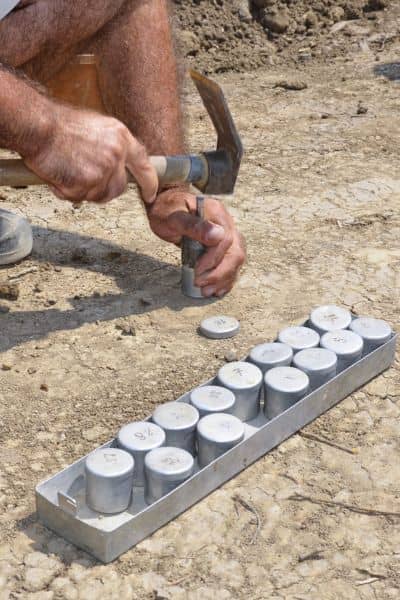
Soil is easy to overlook. However, it plays a major role.
Not all soil is stable. Some soil shifts over time. Some expands when wet. Others cannot support pressure well.
In Dallas, this matters more than most people expect.
If the soil cannot support the wall, the design must change. That may require a stronger base or a different structure. Because of this, some projects need extra review before approval.
When this step is missed early, it shows up later. That leads to changes, added cost, and more delays.
When Plans Don’t Match the Actual Site
Another issue comes from the gap between plans and real conditions.
On paper, everything may look correct. However, once work begins, the site may tell a different story.
The slope might not match the drawing. The ground may sit higher or lower than expected. The layout may not align with the plan.
Because of this, crews must stop and adjust. That creates rework.
So even a well-prepared plan can fail if it does not match the actual site. This is a common reason why projects slow down after approval.
Why Delays Happen Before Construction Starts
Most people expect delays during construction. In reality, they happen much earlier.
The project starts with a simple idea. Then the plans miss key details. After that, reviewers send comments. Revisions follow. Time adds up.
All of this happens before the first block is placed.
So the real issue is not the build itself. It is the planning stage of land development.
How Better Land Development Planning Keeps Projects Moving
The good news is that most of these delays can be avoided.
When the project starts with a clear understanding of the site, everything moves smoother. Plans become more complete. Reviews happen faster.
Strong land development planning connects all parts of the project. The wall fits the site. The elevations make sense. The layout works as a whole.
Because of that, the city has fewer questions. The approval process becomes easier.
And when approvals move faster, construction can start on time.
When to Involve a Civil Engineer
Some projects need more guidance than others.
If the wall changes the slope, sits near a boundary, or affects the site layout, it is smart to involve a civil engineer early.
A civil engineer looks at the full picture. They do not focus on just the wall. Instead, they make sure the project works within the larger land development plan.
This step helps prevent problems before they begin.
Final Thoughts
A retaining wall may seem simple at first. However, in Dallas, it often connects to bigger land development concerns.
That is why projects get delayed.
It is not about the wall alone. It is about how it fits into the site, the plan, and the approval process.
So before starting, take time to understand the full scope. When the plan is clear from the beginning, the project moves forward with fewer surprises—and far fewer delays.
