
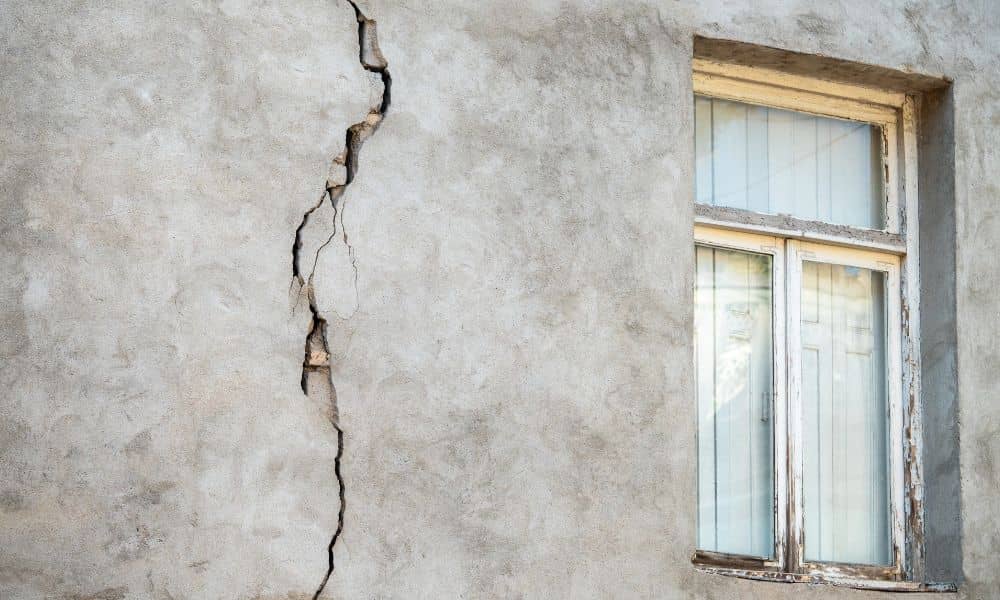
You’re walking through your home, and then you notice it—a crack on the wall. At first, it looked small. Still, it sticks in your mind. Is it normal? Or is it something serious? In Dallas, this is a very common concern. Many homes sit on clay soil, and that soil does not stay still. When it rains, the soil swells. Then, during dry weather, it shrinks. Because of that constant change, your home moves a little over time. As a result, cracks can appear. Some show up in the first year. Others take years to form. Either way, they can catch you off guard. However, not every crack means trouble. The hard part is knowing which ones matter. If you’ve never dealt with this before, it can be confusing. That’s usually the point where people decide to have a structural engineer take a closer look, just to be sure. It gives you a clearer idea of what’s going on and whether anything needs to be fixed.
What Different Wall Cracks Can Tell You
Not all cracks are the same, and sometimes just looking at them can tell you a lot about what’s happening under your home.
Some cracks are tiny, almost like a pencil line. These hairline cracks often appear as a house settles and usually stay small. Most of the time, they’re just cosmetic and nothing to worry about.
Vertical cracks go straight up and down. They can be minor at first, but if you notice them getting wider, it could mean the foundation is shifting a little.
Diagonal cracks, especially near doors and windows, might start at a corner and stretch outward. They don’t always mean there’s a serious problem, but they do hint that something beneath the surface is moving unevenly.
Horizontal cracks are different. They often show that the wall is under pressure or that the structure is experiencing stress. When you see cracks like this, it can really help to evaluate your property’s soil and foundation. Taking a closer look gives you a clearer sense of what’s happening and helps you decide on the safest next steps before small issues turn into bigger ones.
When a Crack Becomes a Real Problem
A crack by itself does not always mean danger. Still, the real concern comes when other signs appear along with it.
For example, you might notice that a door no longer closes the way it used to. Or maybe a window starts sticking. At the same time, the crack on the wall seems to grow. These changes often happen slowly, so they are easy to miss at first.
In some homes, the floor may feel uneven. You might also see gaps forming where the wall meets the ceiling. When these signs show up together, they often point to a deeper issue.
This is the moment when a structural engineer becomes essential. Instead of guessing, you get a clear answer about what is really happening.
How a Structural Engineer Looks at Your Home

Many homeowners think the job is simple—just look at the crack and give an opinion. However, the process is much more detailed.
A structural engineer studies how your home handles weight and movement. They look at patterns, not just one spot. They check if the floors are level. They also study how the foundation behaves under changing soil conditions.
In addition, they pay attention to drainage around your home. Water plays a big role in how soil moves. So, poor drainage can make problems worse.
Because of this approach, they don’t just tell you what you see. They explain why it is happening. That difference matters, especially when you want to fix the problem the right way.
The Difference Between Cosmetic and Structural Cracks
It helps to think of cracks in two simple groups.
Some cracks are cosmetic. These are small, stable, and often stay in one area. They don’t affect how doors or windows work. In many cases, they are part of normal settling.
However, structural cracks behave differently. They grow over time. They may appear in several areas of the home. At the same time, you might notice other changes, like sticking doors or sloping floors.
When cracks move from one category to the other, the risk increases. That’s why early attention matters. A structural engineer can confirm the difference before things get worse.
Why Ignoring Cracks Can Cost More Later
It’s easy to ignore a small crack. After all, life gets busy. You tell yourself you’ll check it later.
However, in Dallas, soil movement does not stop. So, a small issue can slowly turn into a bigger one. Over time, repairs can become more complex and more expensive.
In some cases, the problem shows up during a home sale. Buyers may ask for inspections. If the report flags structural concerns, it can affect your deal.
Because of that, early action often saves both time and money. A quick visit from a structural engineer can give you peace of mind or help you act before the damage grows.
When It’s Time to Get a Professional Opinion
You don’t need to worry about every small crack. Still, there are moments when it’s best not to wait.
If a crack appears suddenly, it deserves attention. If it keeps growing, that’s another clear sign. Also, if you notice changes in doors, windows, or floors, it’s time to look deeper.
Planning a remodel is another key moment. Before making changes, you want to be sure the structure can handle it. The same goes for buying or selling a home.
In all these situations, a structural engineer gives you clear and honest answers. That way, you can make the right decision with confidence.
Final Thoughts
Wall cracks are part of homeownership, especially in Dallas. The soil, the weather, and time all play a role. Because of that, some cracks are normal.
However, not all cracks are harmless.
The key is paying attention to the signs. When something changes, it’s worth taking a closer look. Instead of guessing, you can rely on a structural engineer to guide you.
In the end, your home is one of your biggest investments. Taking care of it starts with understanding what those cracks are trying to tell you.
