

Most people send one thing when they reach out to surveying companies.
An address.
Then they wait.
Sometimes they get a reply asking for more details. Other times they get a rough number that doesn’t feel reliable. Either way, the process drags on longer than it should.
The issue isn’t the company. It’s the lack of information at the start.
A survey isn’t a fixed product. It depends on the property, the situation, and what you’re trying to do. Without context, no one can give a solid quote.
When you send the right details upfront, everything moves faster.
Start With Your Goal, Not Just the Property
Before you reach out, take a moment to be clear about what you’re trying to do.
This is where most people get stuck.
Two people can send the same address and still need completely different work. One might be buying the property. Another might be planning changes. Someone else could be checking something that doesn’t feel right.
That one detail shifts everything behind the scenes.
It helps to think this through before hiring a surveying company, so you’re not leaving them to guess what you actually need. Keep it simple. Even a short sentence works:
“I’m buying this property.”
“I’m planning improvements.”
“I need to check something on the land.”
That kind of clarity gives direction right away. It cuts down the guesswork and leads to more accurate pricing.
Why an Address Alone Isn’t Enough
An address points to a location, but it doesn’t tell the full story.
Properties that sit next to each other can still be very different. Size, layout, history, and access all play a role. Some sites are easy to work with. Others take more time and effort.
In areas like Dallas, rapid growth adds another layer. Older lots, new builds, and mixed-use areas all exist side by side. That creates variation, even within the same block.
A complete request fills in those gaps. It helps the team understand what they’re walking into before they even step on site.
The Details That Help Them Understand Your Property
After your goal, add a bit more context about the property itself.
Start with the full address. Double-check it before sending. A small mistake can point to the wrong site.
Then describe the type of property. A house, a commercial space, and an empty lot each require different approaches. A quick label clears that up.
If you know the size or have a rough idea, include that too. It doesn’t need to be exact. Even an estimate gives helpful context.
This part doesn’t need to be long. It just needs to be clear.
Why Existing Documents Can Save You Time
If you already have paperwork related to the property, send it.
You don’t need to hunt anything down. Still, if something is already in your files, it can make a difference.
Old surveys, deeds, or simple drawings all provide clues. They show what has been done before and what might need a closer look now.
Even outdated information has value. It helps build a starting point instead of working from scratch.
That can speed up both pricing and scheduling.
How Photos Make the Process Easier
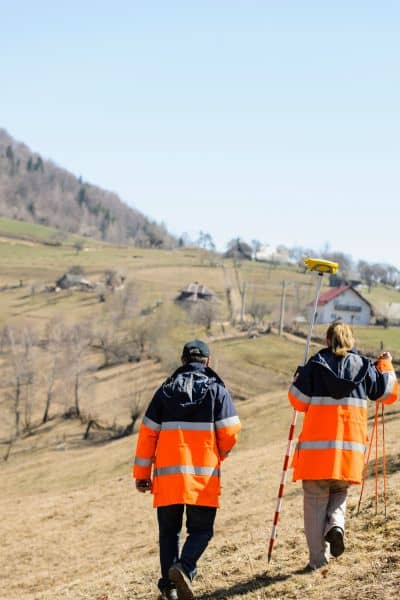
Photos give a quick look at real conditions on site.
A few simple shots can answer questions that would otherwise take time to figure out. They show what the property looks like today, not just what it says on paper.
A front view helps. So do images of fences, structures, or any areas that stand out.
This helps the team estimate how long the work might take and what kind of access they’ll have.
No need for anything fancy. A phone camera is enough.
Access Can Change the Entire Schedule
Access matters more than most people think.
If a property is open and easy to walk, work can start sooner. If there are gates, pets, or restricted areas, that changes how the job gets planned.
Mention anything that could affect entry. A quick note avoids delays later.
It also helps avoid situations where a crew shows up but can’t complete the work.
That kind of delay is easy to prevent.
Timing Shapes the Entire Process
Your timeline plays a big role in how things move forward.
If you need something done quickly, say it. If your schedule is flexible, that helps too.
Waiting until the last minute limits your options. Surveying companies often work on tight schedules, especially in busy markets like Dallas.
Reaching out earlier gives you more room to plan.
It also gives them time to fit your project in without rushing.
What Happens When the Request Is Too Vague
When details are missing, the process slows down.
The company has to ask follow-up questions. You reply. Then more questions come up. What could have been a quick exchange turns into several messages over a few days.
In some cases, you might get a rough quote just to move things along. That number can change once more details come in.
That’s how confusion starts.
Clear information from the beginning avoids that loop.
A Better Way to Get Faster, More Accurate Quotes
You don’t need perfect information to reach out.
You just need enough to give a clear picture of what you’re trying to do. A short message with your goal, a few details about the property, and anything helpful you already have can make a big difference. It saves time on both sides and leads to better answers.
Once you’ve got that together, it’s a lot easier to request a survey quote without going back and forth trying to fill in the gaps later.
Surveying companies work best when they understand what you need right away. Give them that clarity, and you’ll get faster answers and fewer delays.
