
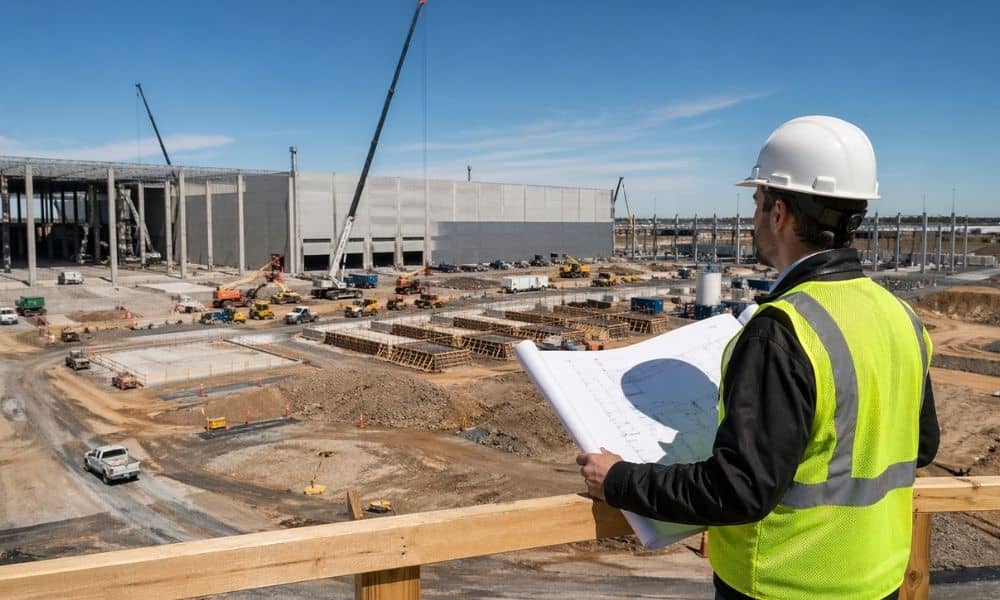
Dallas is seeing a rush of data center projects. Big tech needs more space to run apps, store data, and support AI tools. So, builders are moving fast. New sites pop up south of the city, and crews work on tight timelines.
These projects look like normal commercial builds at first. But they are not. They are larger, faster, and far less forgiving. One mistake can delay everything. That is why a construction engineer plays a key role from day one.
Why Data Centers Are Harder to Build
A data center is not just a building with walls and a roof. It needs power, cooling, and constant uptime. That means every part of the site has to line up and work together without gaps.
Crews often build in phases. One team pours concrete while another sets steel. At the same time, utility crews prepare power lines. If one group falls behind, the rest ends up waiting.
That’s why early site understanding matters so much on jobs like this. A proper site survey for construction projects helps teams work from the same ground conditions instead of relying on assumptions once work is already underway.
Equipment also arrives on strict schedules. Servers, cooling units, and backup systems must go in at the right time. If the site is not ready, delays build quickly.
On top of that, these sites need heavy power. So, teams must coordinate with utility providers early. If that step slips, the whole project slows down.
Where a Construction Engineer Steps In
A construction engineer focuses on how the project actually gets built. Plans may look clean on paper, but the site tells a different story. Soil may shift. Access roads may clog. Crews may overlap.
The construction engineer watches all of that.
They check if the order of work makes sense. They help decide what gets built first and what must wait. They also talk with different teams to keep everyone on the same page.
This role is not the same as a project manager. A manager tracks cost and schedule. A construction engineer focuses on how the work fits together in real life.
Small Problems Add Up Fast
In a data center job, small issues rarely stay small.
For example, one crew may start work too early. Then another team must redo part of that work. That wastes time and money.
Or, equipment may arrive before the site is ready. That leads to storage problems or damage risk.
Traffic inside the site can also become a mess. Trucks, cranes, and workers all need space. If the layout is not planned well, crews lose time moving around instead of building.
These are not design mistakes. They are built on mistakes. And they happen when no one controls the flow of work.
Controlling the Order of Work
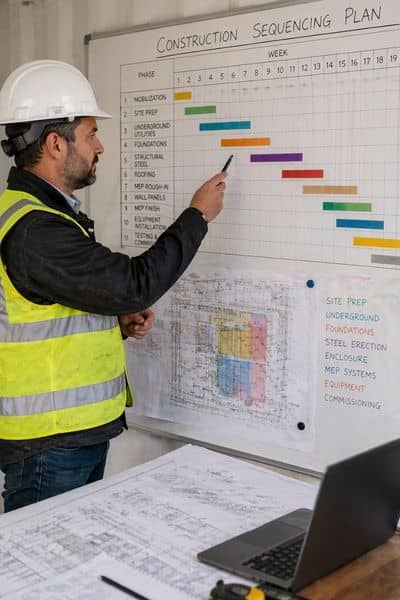
One of the most important jobs of a construction engineer is sequencing.
Sequencing means setting the right order for each task. First this, then that, and only then the next step.
If teams ignore that order, problems show up. Concrete may get poured before underground work is done. Steel may go up before access routes are clear.
A construction engineer studies the site and sets a plan that works in real conditions. They adjust when things change. And things always change.
This control keeps crews from stepping on each other’s work. It also cuts down on rework.
Dallas Growth Adds More Pressure
Dallas is growing fast. More projects run at the same time. That means crews, materials, and equipment are in high demand.
So, builders face tight schedules. They cannot afford slowdowns.
Also, many data center projects run side by side. That puts stress on roads, utilities, and local resources. Coordination becomes harder.
Because of that, strong oversight is more important than ever. A construction engineer helps keep order when everything feels rushed.
What Happens Without One
Some projects try to move forward without a strong construction engineering role. At first, things may seem fine.
Then issues start to appear.
Crews may work out of order. One fix leads to another fix. Soon, the schedule slips.
Teams may not share updates. One group moves ahead while another falls behind. That creates gaps and confusion.
Costs begin to rise. Not from one big problem, but from many small ones.
In the end, the project takes longer and costs more than planned.
When to Bring in a Construction Engineer
Timing matters. The earlier a construction engineer joins the project, the better.
They should be involved during early planning. That is when they can review how the site will be built, not just what will be built.
They also help during site prep. This is when crews shape the land and set the base for everything else.
As more teams arrive, coordination becomes harder. That is when their role becomes even more valuable.
For fast-moving data center projects, waiting too long to bring one in can cause problems that are hard to fix later.
Why Clients Should Care
If you are planning a data center project, speed will matter. But speed without control leads to mistakes.
A construction engineer helps keep the project steady. They watch the flow of work. They catch problems early. They make sure the build makes sense on the ground, not just on paper.
That kind of control keeps delays down. It also helps protect your budget.
Dallas will keep growing. Data center demand will not slow down anytime soon. Projects will get bigger and faster.
Because of that, the role of a construction engineer will only become more important.
Bringing one in early can save time, reduce stress, and keep your project moving the right way.
