
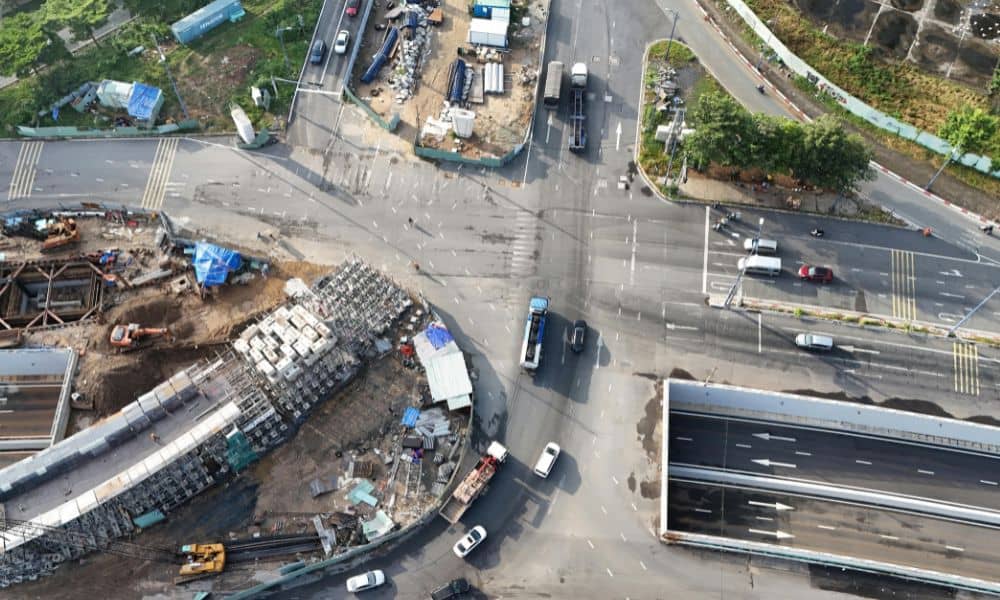
When a major highway project hits a key milestone on time, people notice. That is exactly what happened recently with the I‑30 Canyon Project in Dallas. For weeks, social media posts questioned whether the project would meet its schedule. Traffic delays added frustration. Then the milestone arrived as planned. At first glance, this may seem like a simple construction update. However, for developers, agencies, and property owners, it highlights something deeper. It shows how roadway design decisions shape cost, safety, timelines, and public trust long before crews pour concrete.
This project offers a clear lesson. Roadway design is not just about drawing lanes on a map. It is about solving real-world problems in crowded, high-pressure environments.
Why the I-30 milestone matters to clients
Large roadway projects rarely fail because of construction alone. More often, problems start earlier during design. The I-30 Canyon work drew attention because it runs through a dense urban core. Traffic cannot stop. Utilities already fill the ground. Businesses depend on access.
Because of that, every roadway design choice matters. Lane shifts, temporary barriers, drainage paths, and work zones must all work together. When they do not, schedules slip and costs rise. When they do, milestones happen on time.
For clients planning roadway work, this milestone sends a strong message. Good roadway design reduces risk before construction begins.
Roadway design today goes far beyond pavement
In the past, roadway design focused on basic geometry. Engineers set lane widths, curves, and elevations. Today, the process looks very different.
Modern roadway design blends several systems into one plan. Traffic flow modeling predicts how vehicles move during each phase. Drainage design controls where stormwater goes during heavy rain. Utility coordination avoids costly conflicts underground. Construction sequencing keeps the project buildable from day one.
Because these elements connect, one weak design decision can affect the entire project. For example, a poorly placed temporary lane can slow traffic and delay work. Likewise, unclear phasing can confuse drivers and frustrate the public.
The I-30 project shows how integrated roadway design supports complex urban construction.
Urban space limits shape roadway design in Dallas
Dallas continues to grow. As a result, many roadway projects now happen in tight spaces. Existing buildings, bridges, and utilities leave little room to expand. Traffic volumes remain high throughout the day.
These constraints force roadway design teams to think ahead. They must design solutions that fit within narrow rights-of-way. They must also maintain traffic flow during construction. Otherwise, delays quickly stack up.
On I-30, designers planned around these limits from the start. They created phased layouts that allow work to continue while traffic stays moving. Because of that, crews avoided last-minute redesigns.
For clients, this highlights an important point. Roadway design must respond to real site conditions, not ideal ones.
Construction phasing is a core roadway design challenge
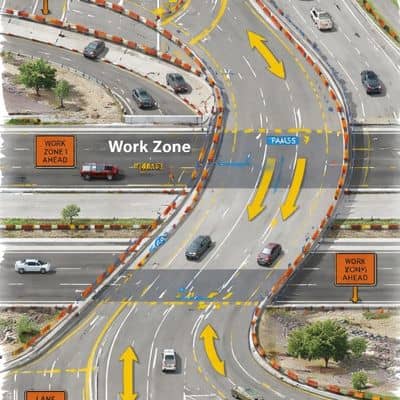
Many people assume construction teams decide how work phases happen. In reality, roadway design sets the foundation for those phases. Engineers plan where traffic shifts, how lanes narrow, and when work zones move.
Good phasing protects both workers and drivers. It also keeps schedules realistic. Poor phasing does the opposite. It creates confusion, safety risks, and delays.
The I-30 Canyon milestone reflects careful phasing decisions. Designers planned transitions that crews could build efficiently. At the same time, they reduced sudden changes that frustrate drivers.
For developers and agencies, this reinforces a key lesson. Roadway design should always include constructability, not just final appearance.
Drainage planning plays a hidden role in roadway success
While traffic gets the most attention, water often causes the biggest problems. In urban areas, heavy rain can overwhelm roadways quickly. If drainage paths fail, work zones flood and schedules suffer.
Roadway design must account for stormwater at every stage. Temporary drainage during construction matters just as much as final systems. Even a short storm can halt work if water has nowhere to go.
On projects like I-30, engineers plan drainage alongside traffic control. This coordination keeps work moving during unpredictable weather.
For clients, this shows why roadway design must address drainage early. Waiting until later often leads to costly fixes.
Public perception now affects roadway projects
In today’s world, roadway projects face public review in real time. Drivers share photos, videos, and opinions online. News spreads fast, especially when traffic delays happen.
Because of this, roadway design now carries a communication role. Clear layouts help drivers understand where to go. Predictable phasing builds trust. Unrealistic timelines damage credibility.
The I-30 Canyon project faced online doubt before the milestone arrived. Meeting the deadline helped rebuild confidence. That outcome ties directly to roadway design decisions made months earlier.
For clients, this means roadway design affects reputation as much as performance.
What developers and agencies can learn from I-30
The lessons from this milestone apply to many projects, not just highways. Roadway work tied to land development, subdivision access, or redevelopment faces similar risks.
Clients should look for roadway design teams that think beyond drawings. Strong teams focus on buildability, phasing, and coordination. They also plan for public impact, not just code compliance.
Early investment in roadway design often reduces change orders and approval delays. It also helps keep projects on schedule when conditions change.
Looking ahead for roadway design
As Dallas continues to expand, roadway design challenges will increase. Projects will face tighter spaces, heavier traffic, and higher public expectations. At the same time, timelines will remain aggressive.
The I-30 Canyon milestone shows that success remains possible. However, it requires thoughtful roadway design from the start.
For prospective clients, the takeaway is clear. Roadway design is not a background service. It is a risk management tool. When done well, it supports schedules, controls costs, and protects public trust.
That is the real lesson behind the milestone.
